Movement for Atiku Amaechi Presidency (MAAP)

The presidential aspirant

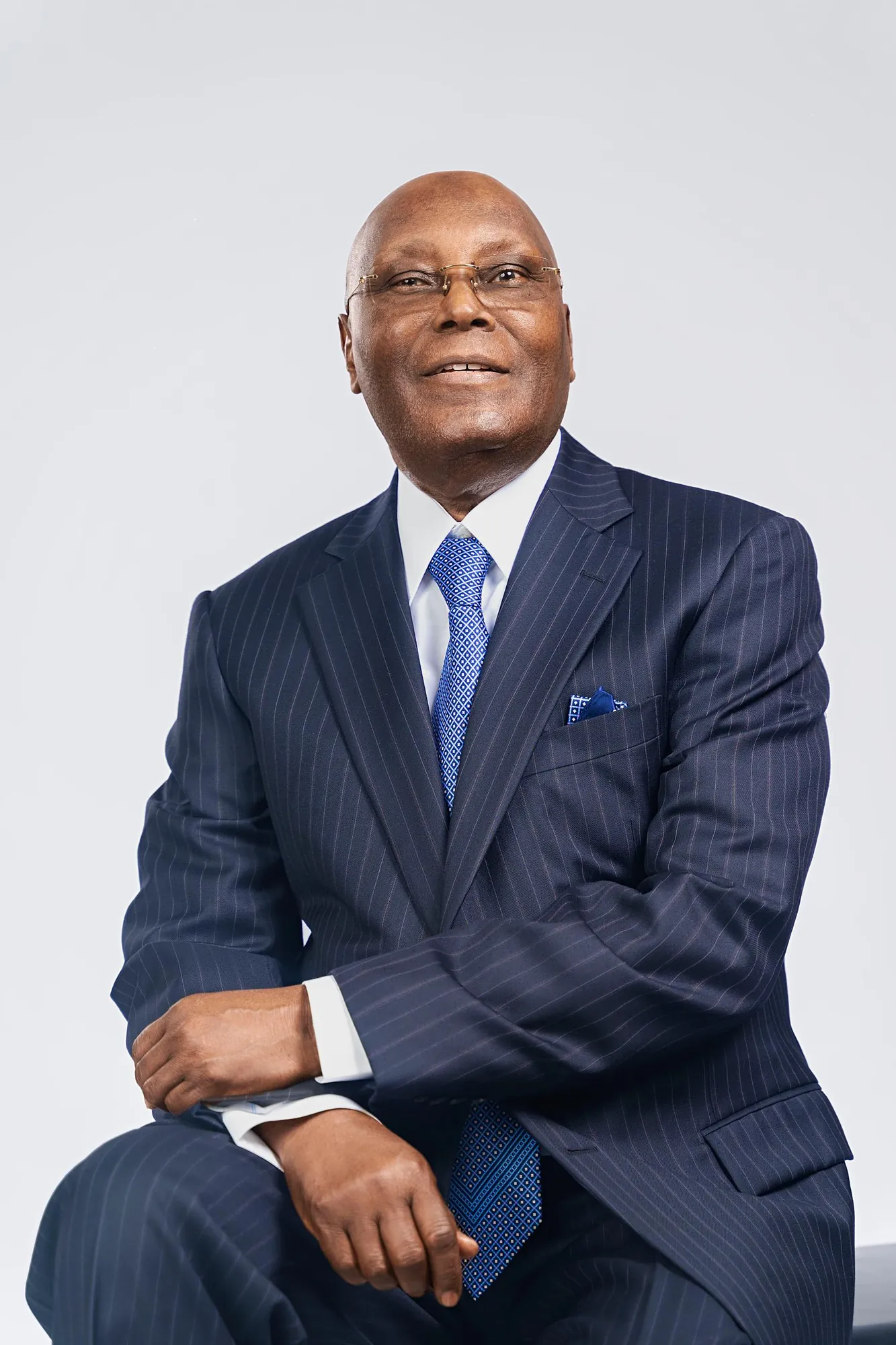
Who is Atiku?

Twenty years in the federal service. Two terms as Vice President of the Federal Republic. A working life spent arguing that the centre holds too much.

01In brief

The short answer

Born in Jada, Adamawa State, in 1946. He studied law at Ahmadu Bello University, Zaria, then spent twenty years in the Nigeria Customs Service. He left in 1989 as Deputy Director, its second most senior post.

He was Vice President from 1999 to 2007, chairing the National Economic Council and the National Council on Privatisation. Those reforms opened the economy to competition. Nigeria had a few hundred thousand phone lines in 2001. Ten years later, tens of millions.

Outside government he built one of Nigeria's largest logistics companies, and in 2005 founded the American University of Nigeria at Yola. He now stands for President on the ADC platform, with Rotimi Amaechi as his running mate.

02Public offices and undertakings

Office by office, 1969 to today

  1. 1969 to 1989

    Nigeria Customs Service

    Federal Republic of Nigeria

    Twenty years in the federal civil service. He entered on a diploma in law and left as Deputy Director, the second most senior post in the service. He retired in 1989, aged forty-two.

    • Rose through every grade of the service on examination and promotion
    • Headed the Murtala Muhammed Airport command, then the Customs Training School
    • Left with a working knowledge of the federal revenue machinery few politicians bring to office
  2. 1989 to 1999

    Business, and the return to civilian politics

    Nigeria

    He built a logistics and services group around the oil and gas ports. He entered party politics as military rule ended, first with the People's Front. In 1998 he helped found the Peoples Democratic Party.

    • Founded the port logistics business that grew into one of Nigeria's largest indigenous service groups
    • Built interests in agriculture, beverages, printing and real estate, employing at scale outside government
    • A founding member of the PDP at its formation in 1998
  3. 1999

    Governor-elect, Adamawa State

    Adamawa State

    He won the 1999 governorship of his home state. He stood down before taking office, to run instead as Olusegun Obasanjo's deputy.

    • Elected Governor of Adamawa State at the return to civilian rule
    • Gave up the office he had just won to take the national ticket
  4. 1999 to 2007

    Vice President of the Federal Republic of Nigeria

    Federal Republic of Nigeria

    Two full terms, holding the economic brief. He chaired the National Economic Council, which sets policy with the thirty-six states, and the National Council on Privatisation, which reformed the public enterprises.

    • Chairman, National Council on Privatisation — the reform and divestment of federal public enterprises
    • Chairman, National Economic Council — economic coordination between the Federation and the states
    • Oversaw the telecommunications liberalisation of 2001, which ended the state monopoly on telephony
    • Served on the economic team through the banking consolidation and the Paris Club debt settlement
  5. 2005

    Founder, American University of Nigeria

    Yola, Adamawa State

    He founded and paid for the first American-style university in sub-Saharan Africa. He built it in Yola, not in a commercial capital. It stayed open right through the insurgency in the North East.

    • The first university in the region built on the American liberal-arts model
    • Sited in the North East, the region with the fewest private universities
    • Kept open, and turned to relief work, through the height of the insurgency

03Stated positions

What the ticket is for

Not a record — an intention. These are positions he has argued for over three decades in national politics. They are what this movement was formed to carry to the wards.

  1. 01

    Restructuring and true federalism

    Move powers and money from the federal centre to the states. The level of government closest to a problem should be the one with the authority to fix it.

  2. 02

    A private sector that does the hiring

    Government's job is to set the rules, build the infrastructure and then get out of the way. Jobs at the scale Nigeria needs will be created by businesses, not by the federal payroll.

  3. 03

    Education as infrastructure

    Treat schools and technical training as investment, not running cost. The regions with the youngest populations have the most children out of school. That gap has to close.

  4. 04

    Security built on policing, not garrisons

    Make policing local, and accountable to the communities it serves. Give the armed forces back the job they were meant to do.

  5. 05

    One country, deliberately

    This ticket joins the North East and the South South. Unity is built by sharing power, not by talking about it.

04In pictures

Atiku Abubakar

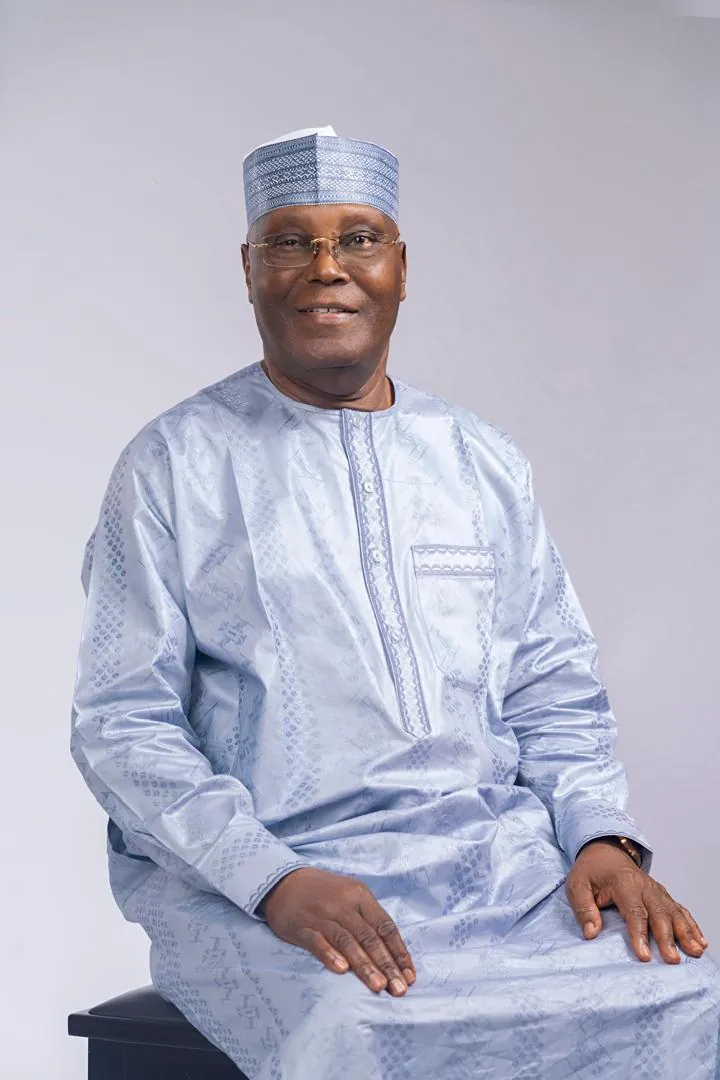
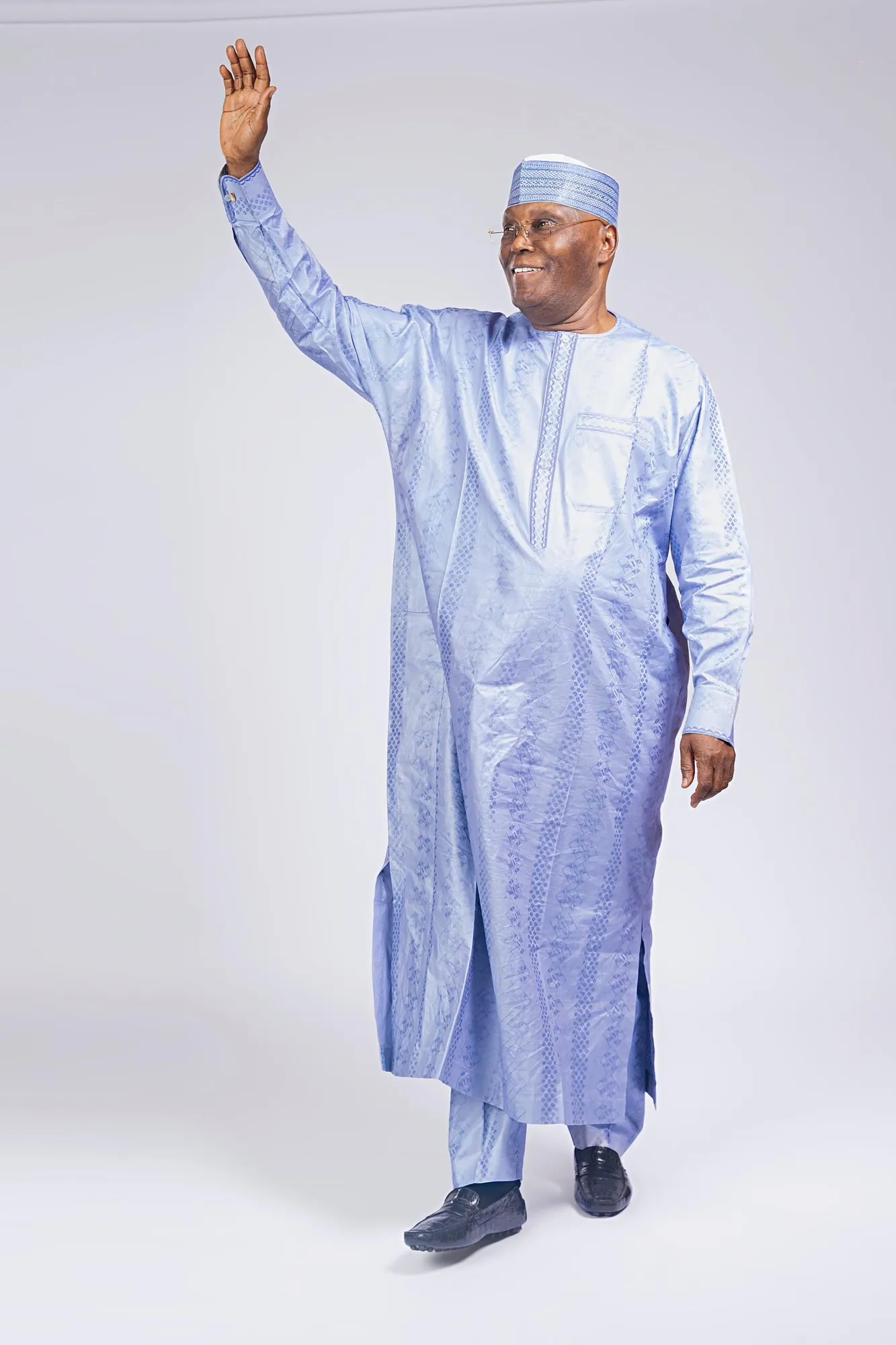
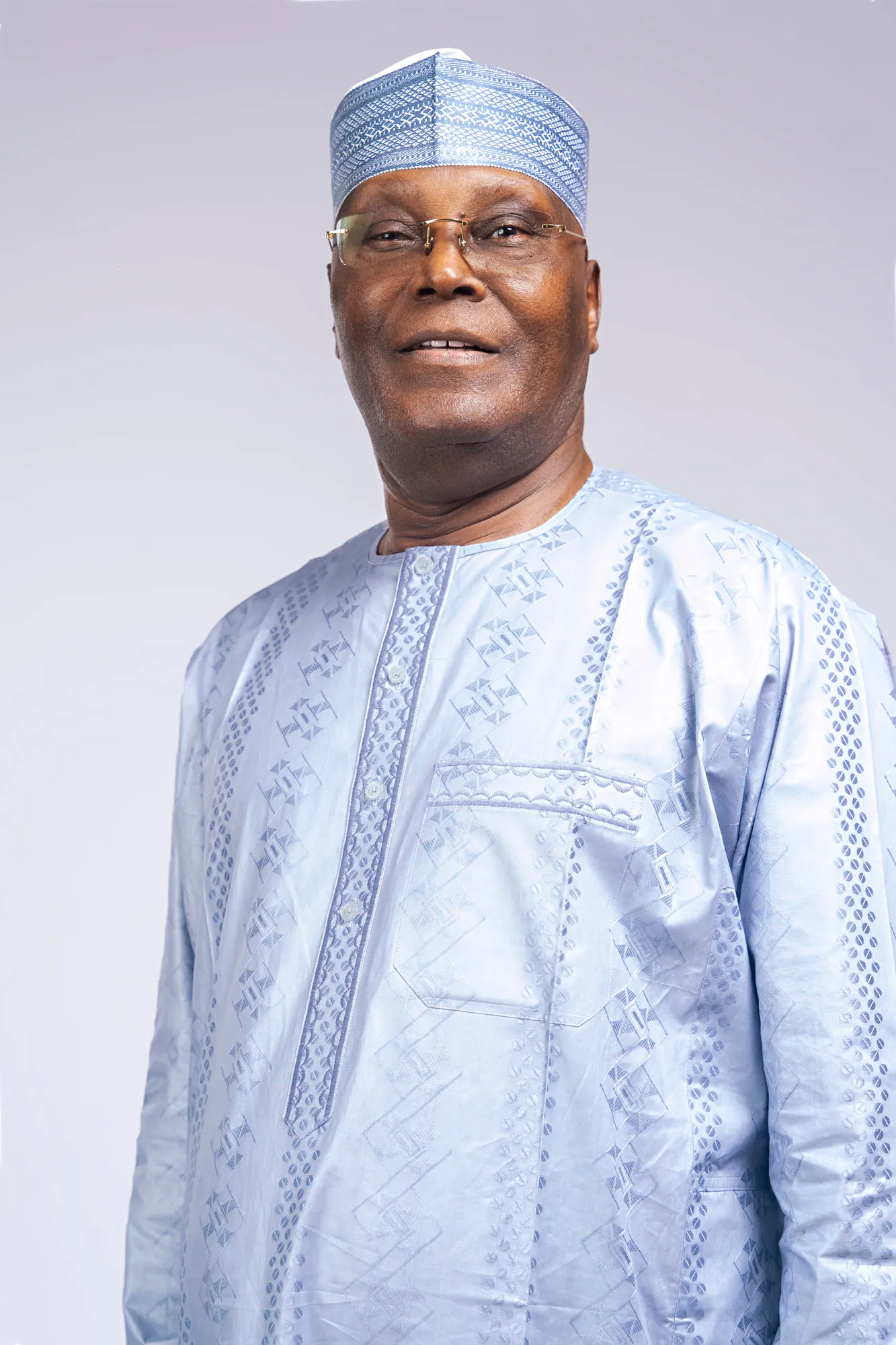
  • Atiku Abubakar waving, in a blue kaftan and cap
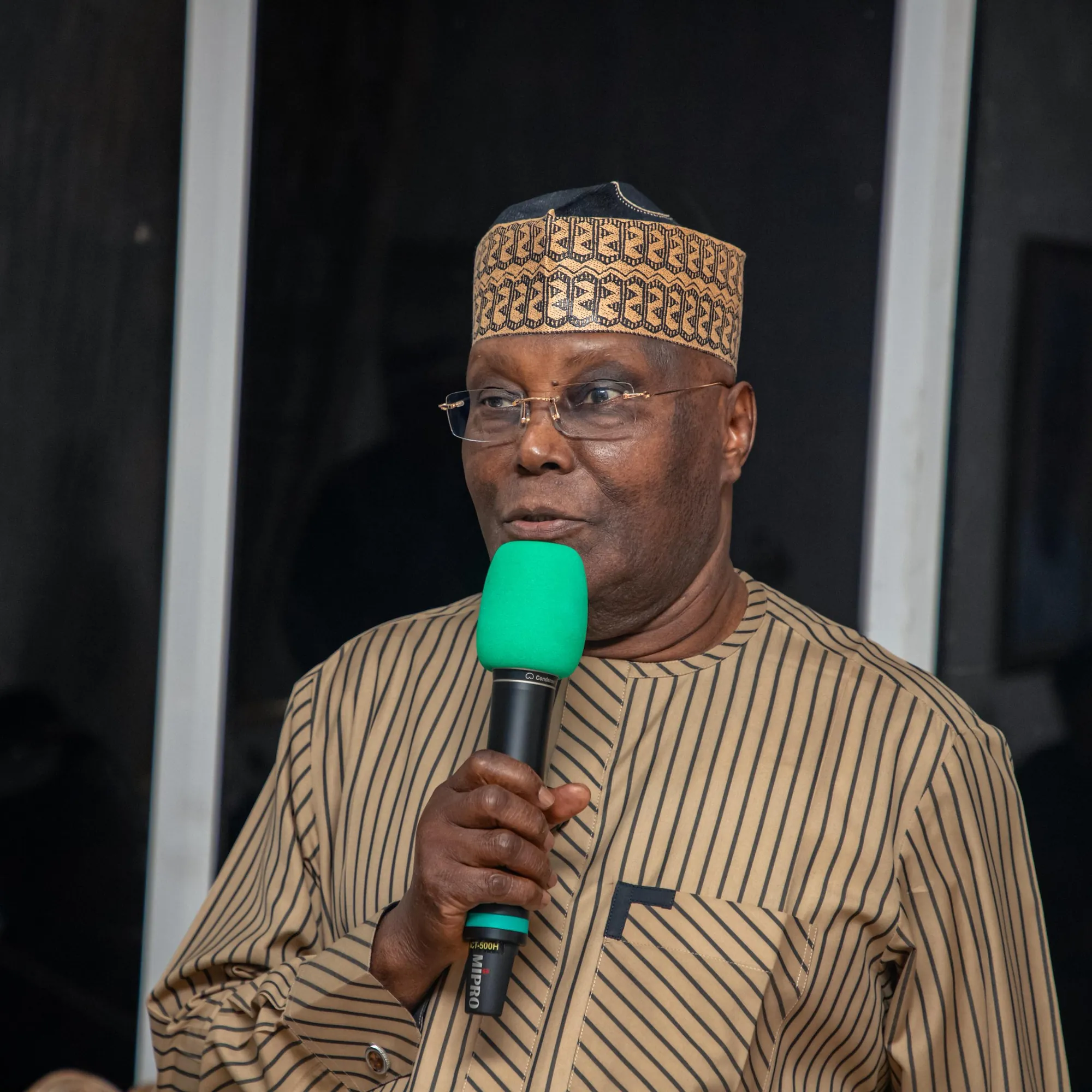
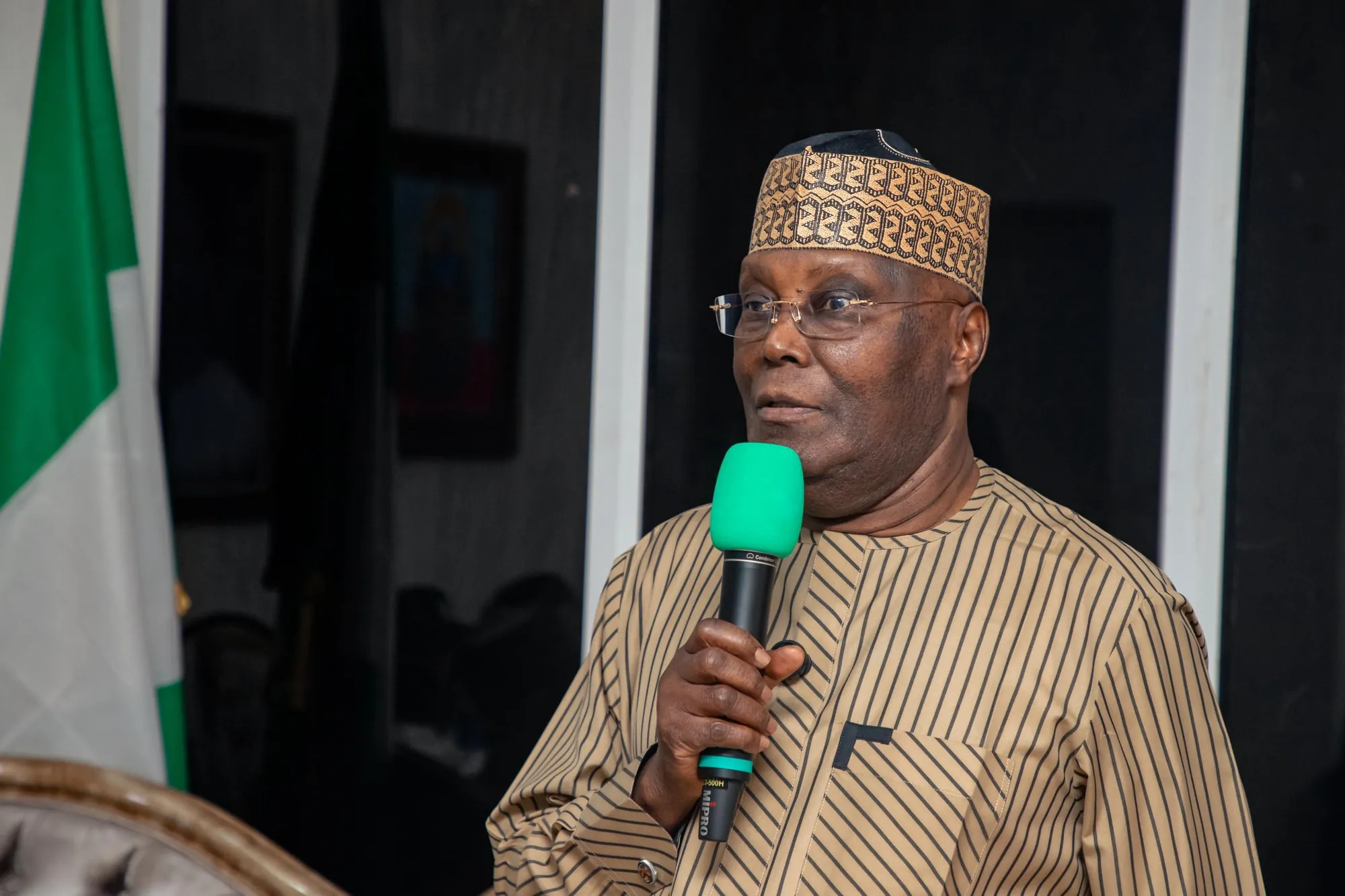
  • Atiku Abubakar speaking into a microphone
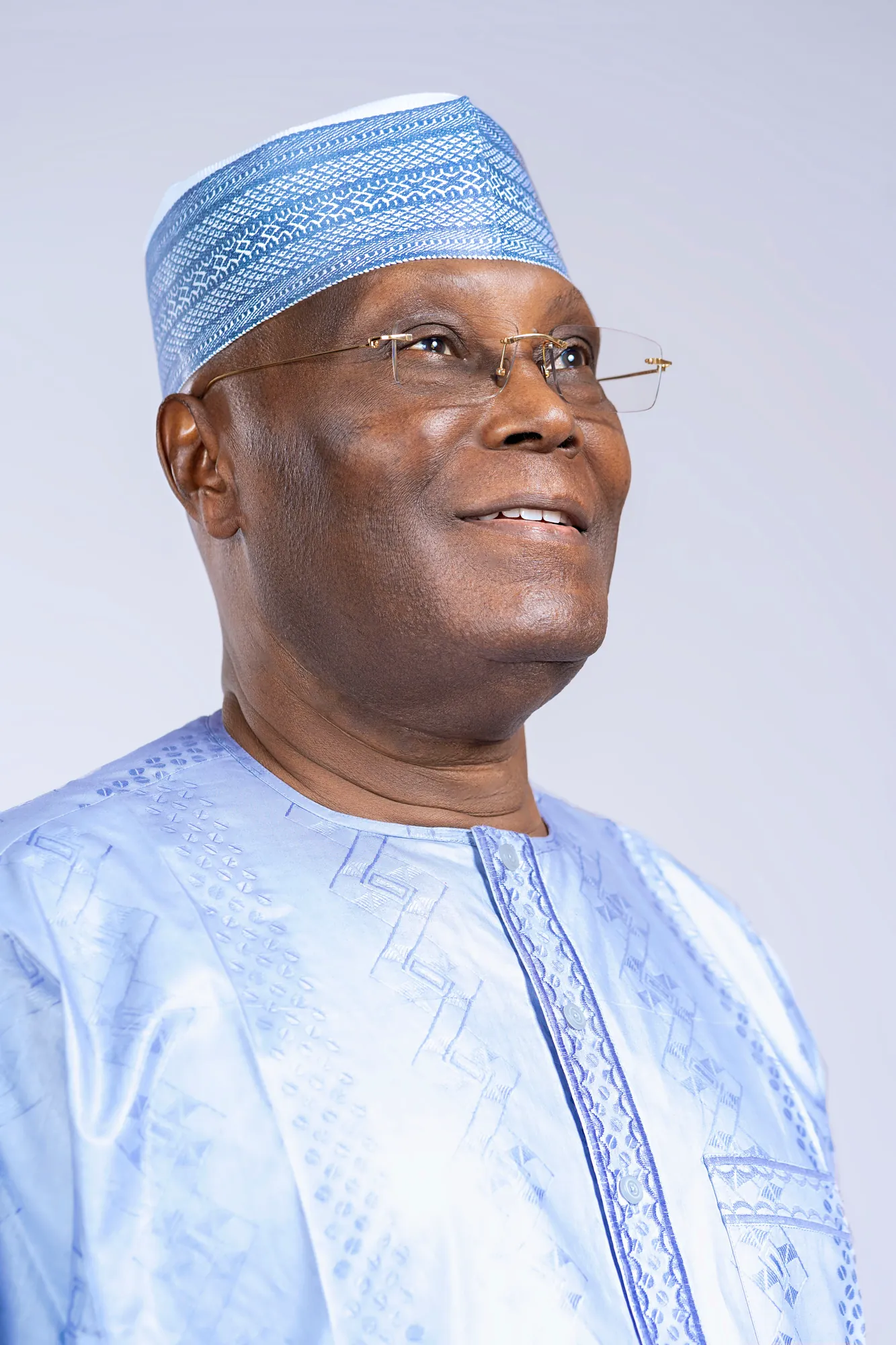
  • Atiku Abubakar in a blue kaftan and cap, smiling
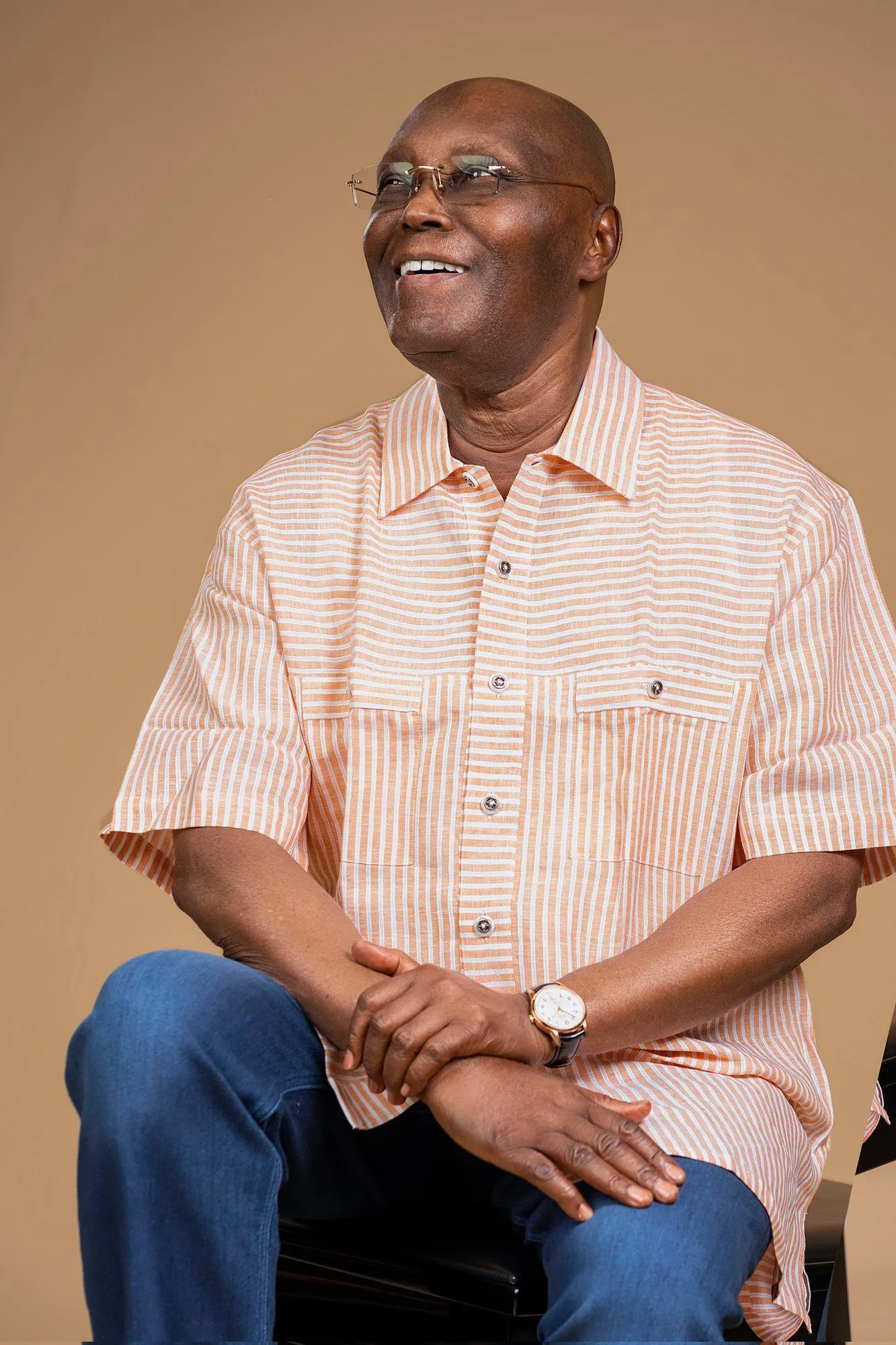
  • Atiku Abubakar seated, in a striped shirt, laughing
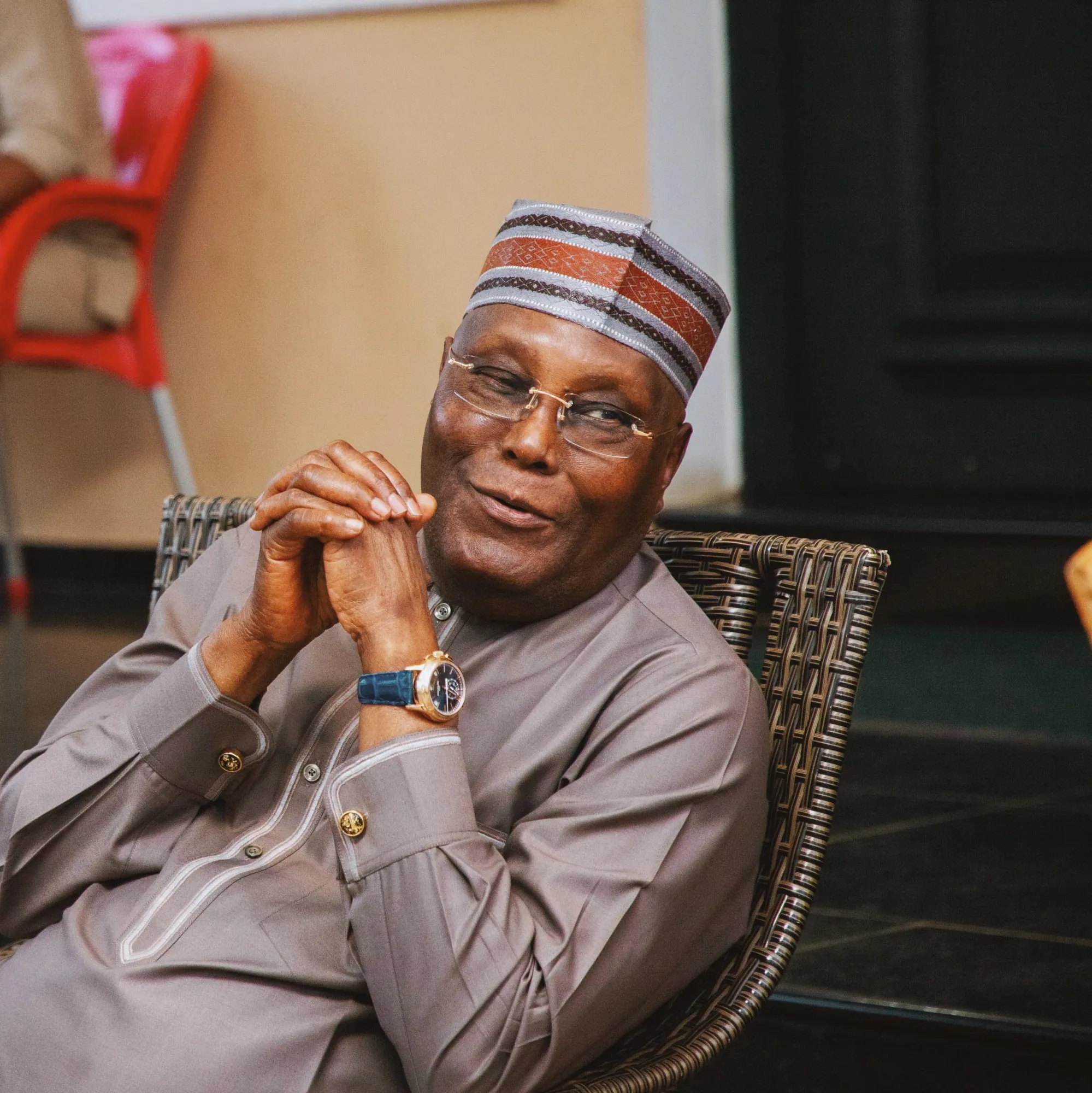
  • Atiku Abubakar seated in a wicker chair, hands clasped
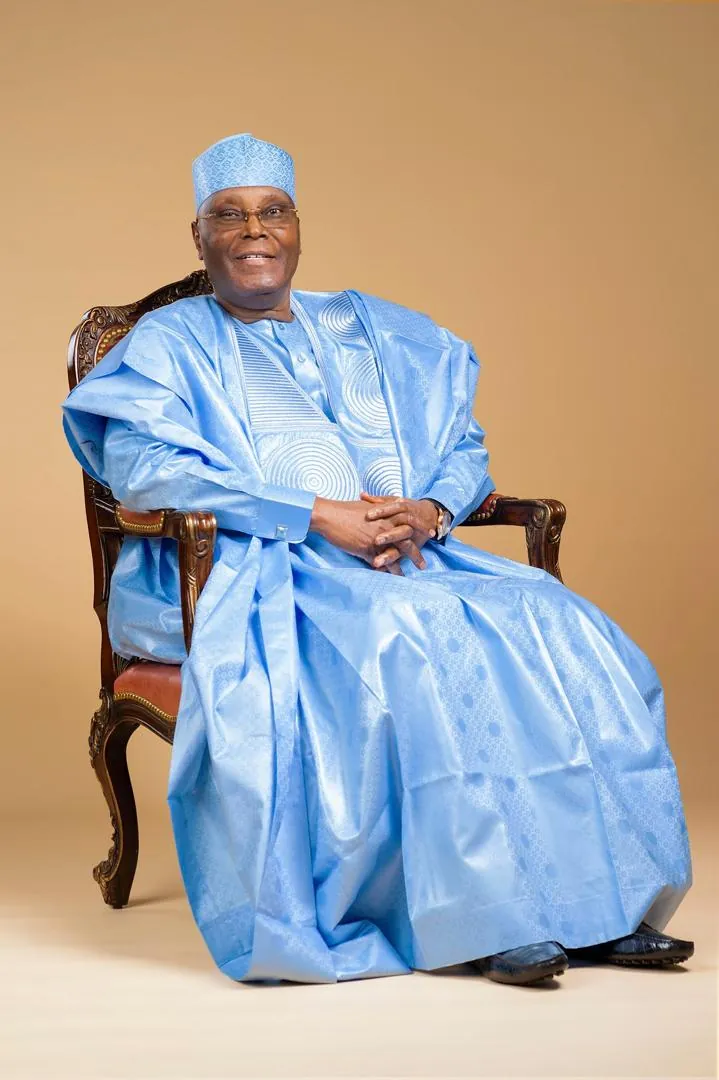
  • Atiku Abubakar in a blue agbada, seated in a carved chair
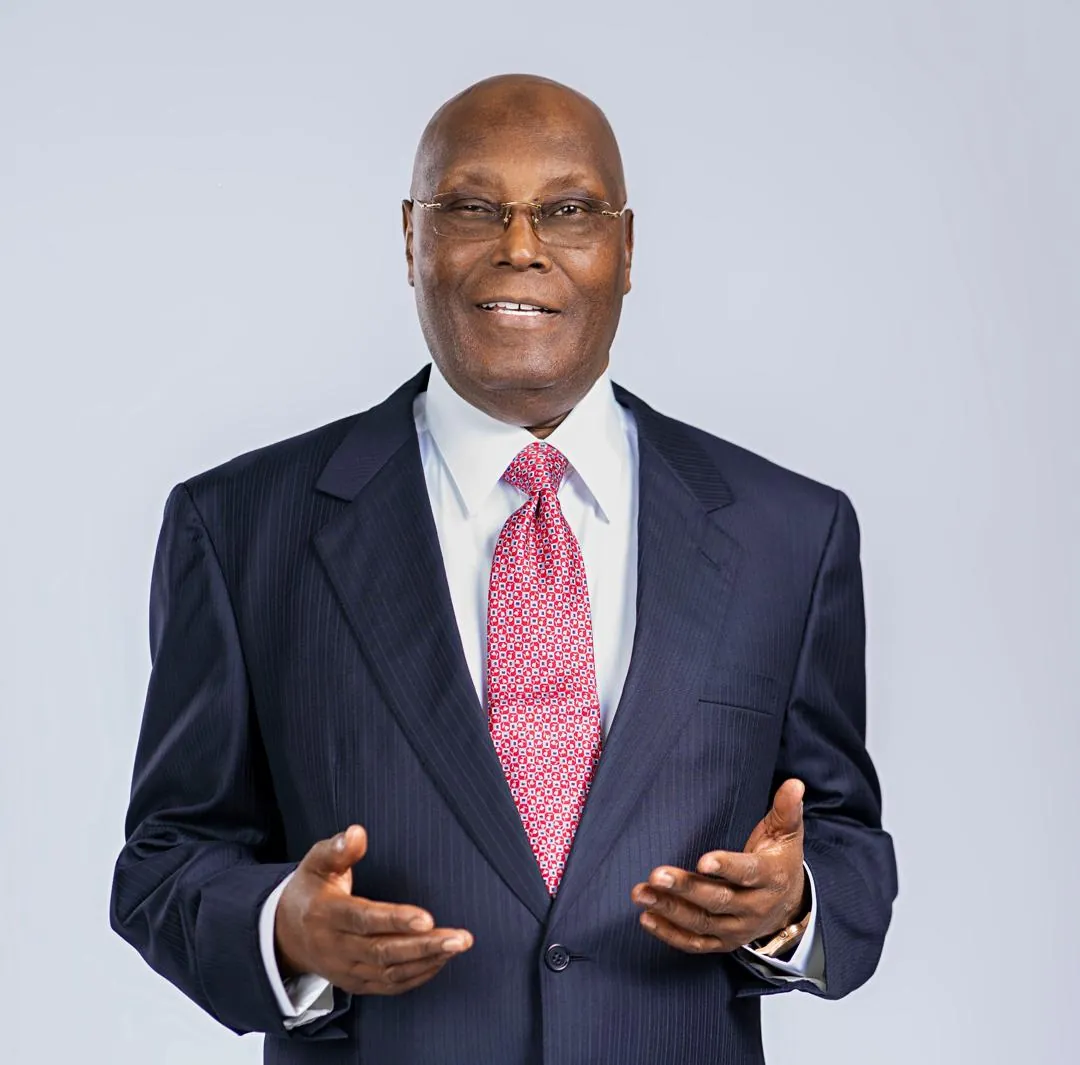
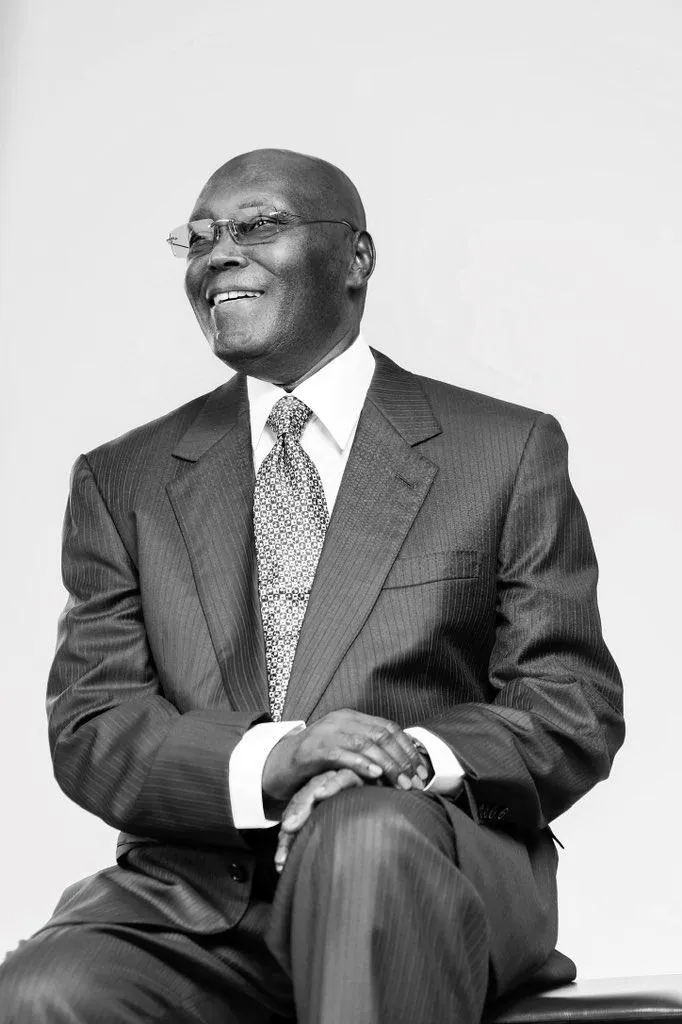
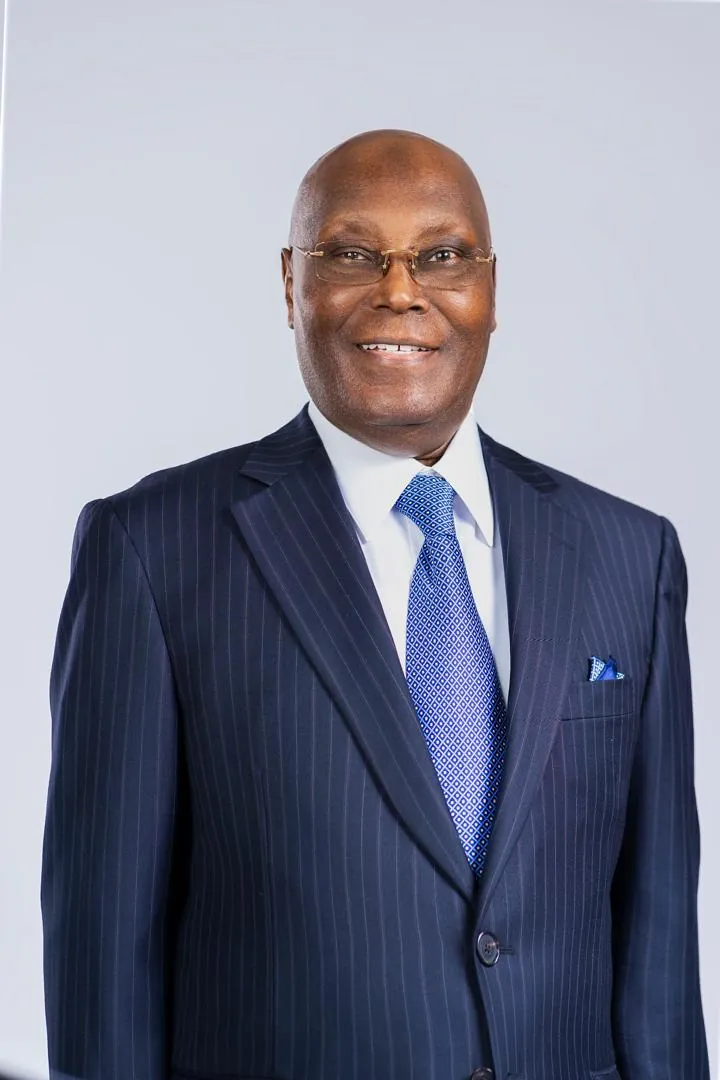
  • Atiku Abubakar in a pinstripe suit, in black and white
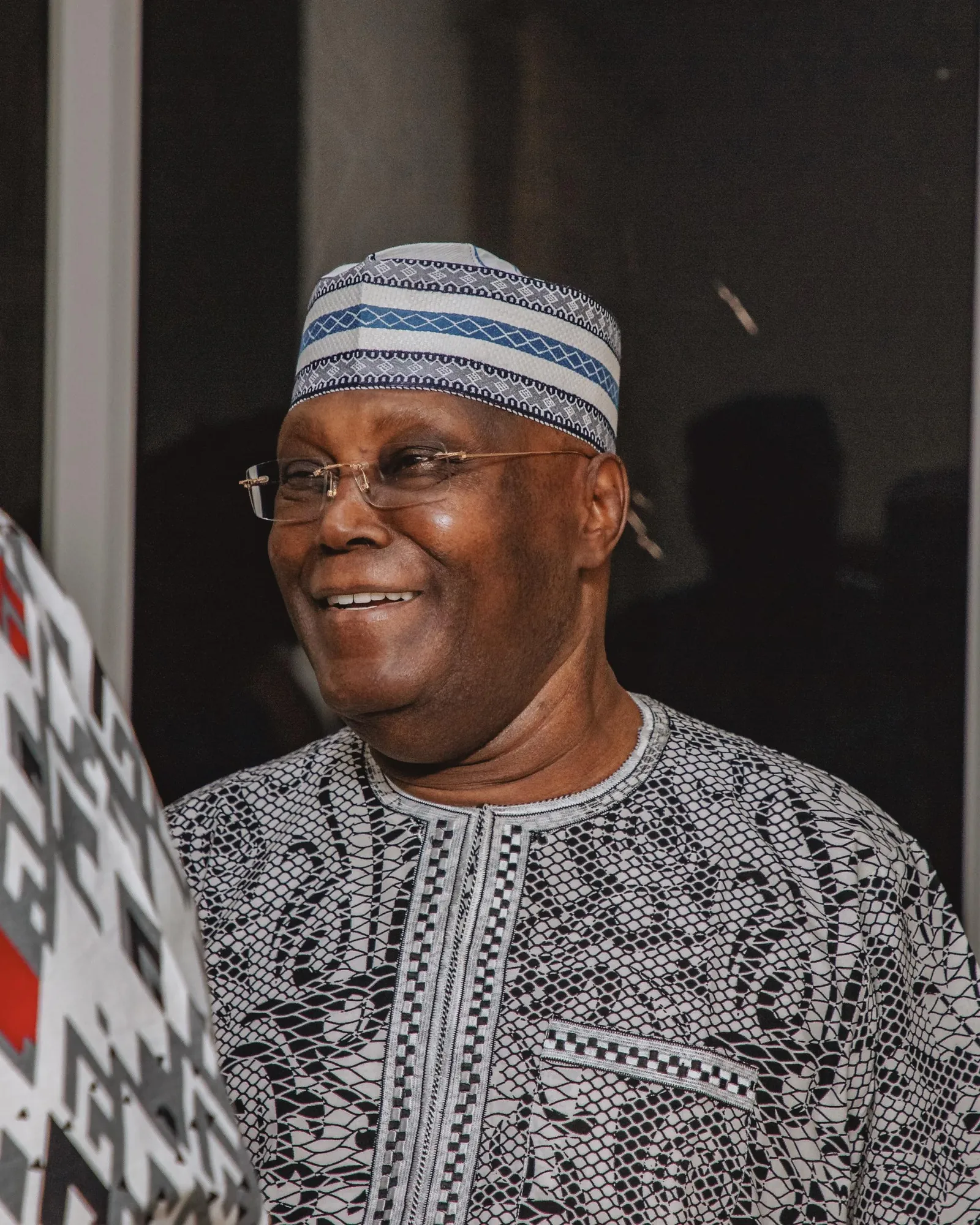
  • Atiku Abubakar laughing, in a patterned kaftan and cap
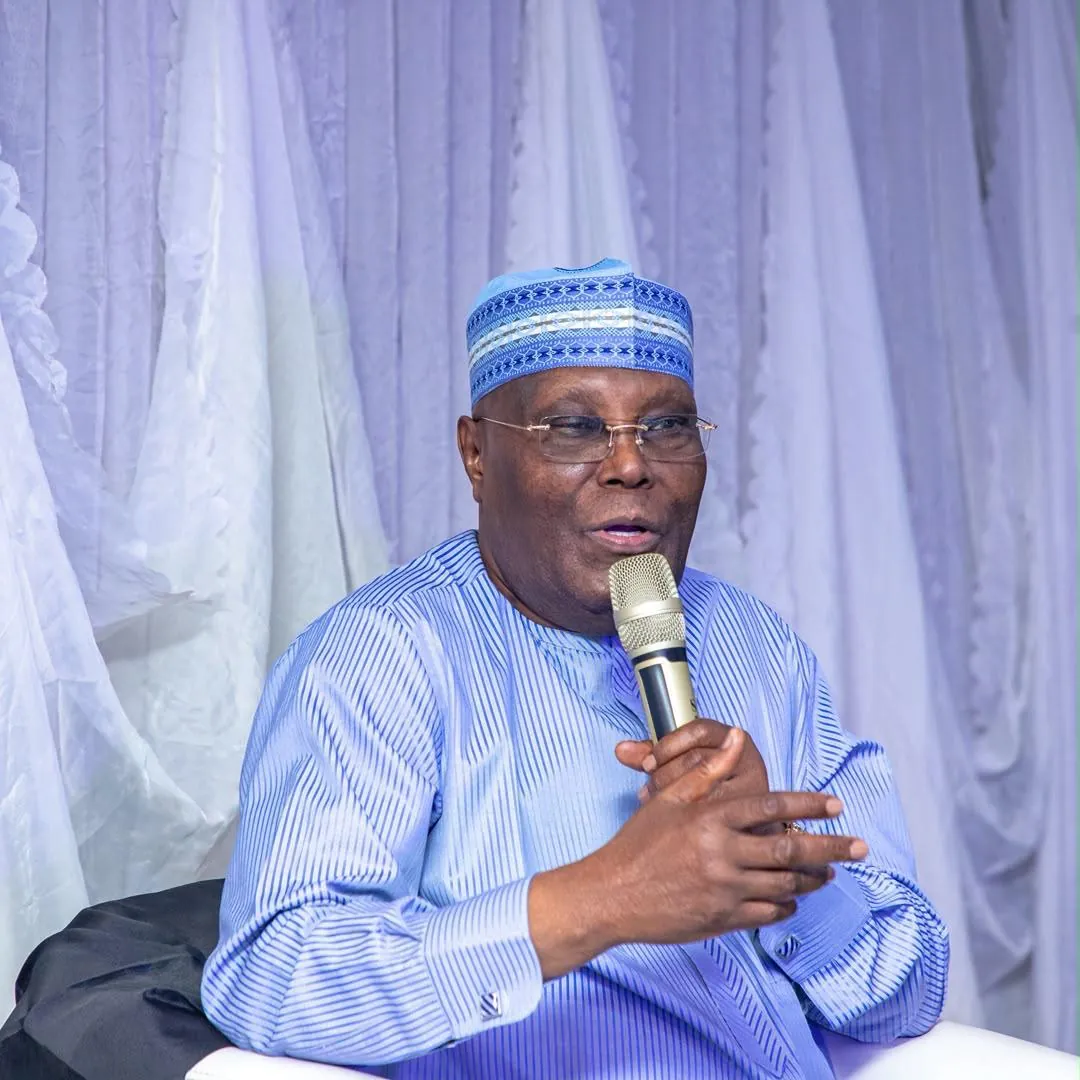
  • Atiku Abubakar speaking, seated, in a blue kaftan

One ticket, two records.

The running mate brought the railways. Read his record next, or read what the two of them intend to do with the office.

Support the Campaign